Chapter 26The Dwelling
The Beis HaMikdash
A belief can remain abstract. A sanctuary forces the sacred to become architecture.
Why the redemption requires a building. Coordinates, materials, dimensions — and what it means that the Infinite chooses a location without being contained by one.
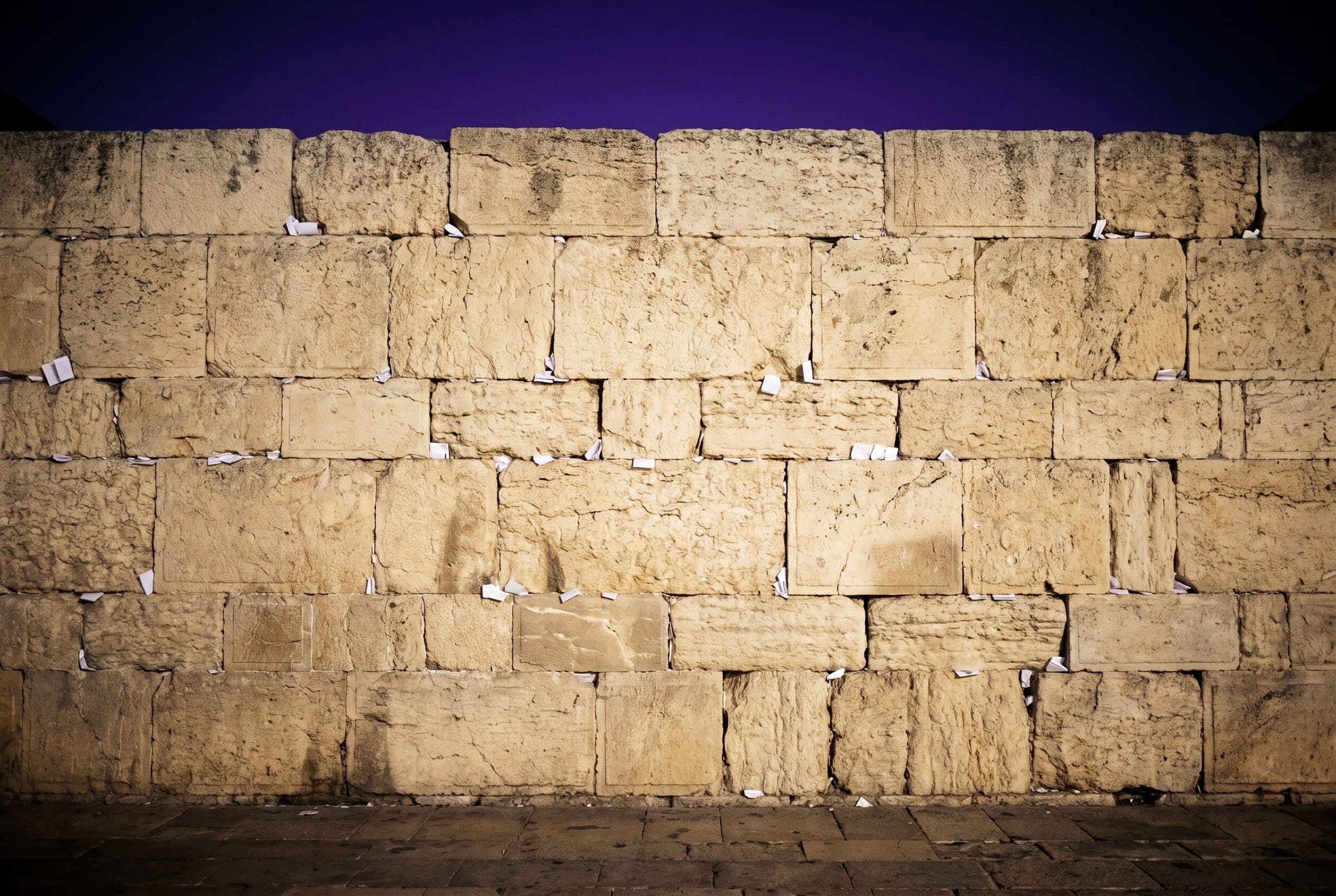
Rambam’s criteria include one item that is stubbornly physical among several that could be spiritualised. He builds the Mikdash in its place. Not a spiritual temple, not a temple in the hearts of the people — a building, on a site, with measurements.
וְעָשׂוּ לִי מִקְדָּשׁ וְשָׁכַנְתִּי בְּתוֹכָםThey shall make Me a sanctuary, and I will dwell among them.
Among them, not in it. The building is a mechanism; the dwelling happens in the people.
They shall make Me a sanctuary, and I will dwell among them.
Among them, not in it. The building is a mechanism; the dwelling happens in the people.
The problem the building solves
A belief costs nothing to hold and can be held indefinitely without consequence. A building cannot. It requires a site, which means a decision about place; materials, which means economics; dimensions, which means law; personnel, which means an institution; and maintenance, which means a permanent claim on a society’s attention.
Every one of these is a point at which an idea becomes accountable to reality. This is not a limitation of the sacred — it is the mechanism by which the sacred stops being a mood.
Architecture is theology that has agreed to be measured.
Location without containment
הַשָּׁמַיִם כִּסְאִי וְהָאָרֶץ הֲדֹם רַגְלָיThe heavens are My throne and the earth My footstool — where is the house that you would build for Me?
Not a rejection of the Mikdash. A statement of the paradox the building is designed to hold.
The heavens are My throne and the earth My footstool — where is the house that you would build for Me?
Not a rejection of the Mikdash. A statement of the paradox the building is designed to hold.
The heavens are My throne and the earth My footstool — where is the house you would build for Me? The verse is not a rejection of the Mikdash; it appears in a prophetic book that assumes it. It is a statement of the paradox that the building is designed to hold.
Hashem is not contained by the Mikdash. Nothing contains Him. And He chooses coordinates anyway. The Chassidic reading connects this directly to dirah betachtonim: choosing a location is not a limitation on infinity, it is what infinity does when the goal is a home rather than a demonstration.
Why Moshiach must build rather than inspire
Because inspiring is reversible and building is not. A generation can be moved and then unmoved. A structure standing on a site with a functioning service changes what the next generation inherits without their having agreed to anything.
This is also why the criterion is falsifiable in the way Rambam intends. Nobody can be mistaken about whether a building exists.