الفصل 41المسكن
البيت
القصر يعرض الجلال. والبيت يكشف من يسكنه.
الفرق بين مكان بُني ليُرى ومكان بُني ليُسكَن — ولماذا اختار التقليد الكلمة الثانية.
كان يمكن للصيغة الحَسيدية أن تستعمل أيّ عددٍ من الألفاظ. قصر، هيكل، عرش، مقدس — لكلٍّ وقاره، وكلٌّ كان متاحًا. واللفظ المستعمل «ديرا»، أي مسكن. شقّة. حيث يعيش المرء.
נִתְאַוָּה הַקָּדוֹשׁ בָּרוּךְ הוּא לִהְיוֹת לוֹ יִתְבָּרֵךְ דִּירָה בַּתַּחְתּוֹנִיםاشتهى القدّوس المبارك أن يكون له مسكن في العوالم السفلى.
«اشتهى» لا «احتاج». المشروع كلّه يخصّ الإرادة لا الضرورة.
اشتهى القدّوس المبارك أن يكون له مسكن في العوالم السفلى.
«اشتهى» لا «احتاج». المشروع كلّه يخصّ الإرادة لا الضرورة.
ما هو البيت
القصر منظَّم حول أن يُرى. مقاسه وخطوط النظر فيه ومراسمه كلّها قائمةٌ لإبلاغ شيءٍ إلى من ليس ساكنه. وساكن القصر، بمعنًى مهمّ، دائمًا في العمل.
والبيت منظَّم حول أن يكون. لا جمهور هناك. غرفه تتشكّل بما يجري فيها فعلًا لا بما تُبلِّغه. والشيء الذي يكشفه البيت تحديدًا ليس عظمة ساكنه بل ساكنه نفسه — الفرق بين أن تعرف ما يستطيعه أحدٌ وأن تعرف كيف هو.
في القصر تعرف ما يستطيع أن يفعل. وفي البيت تعرف من هو.
حيث لا يتحفّظ المرء
هذا أجرأ ما في المعجم الحَسيديّ كلّه، ويجدر الوقوف عنده لا المرور عليه. فغاية الخلق، في هذه الصيغة، ليست أن يُمجَّد هَشيم — فالمجد متاحٌ بلا عالم. بل أن يكون ثمّة موضعٌ هو فيه في بيته.
وكلّ كلمةٍ في ذلك تحتاج معالجةً حذرة؛ وليس فيها ما يلمح إلى نقص، والفصل السابق هو الحارس ضدّ تلك القراءة. لكن اختيار اللفظ قائم، وقد اختارته المسيرة عن قصد.
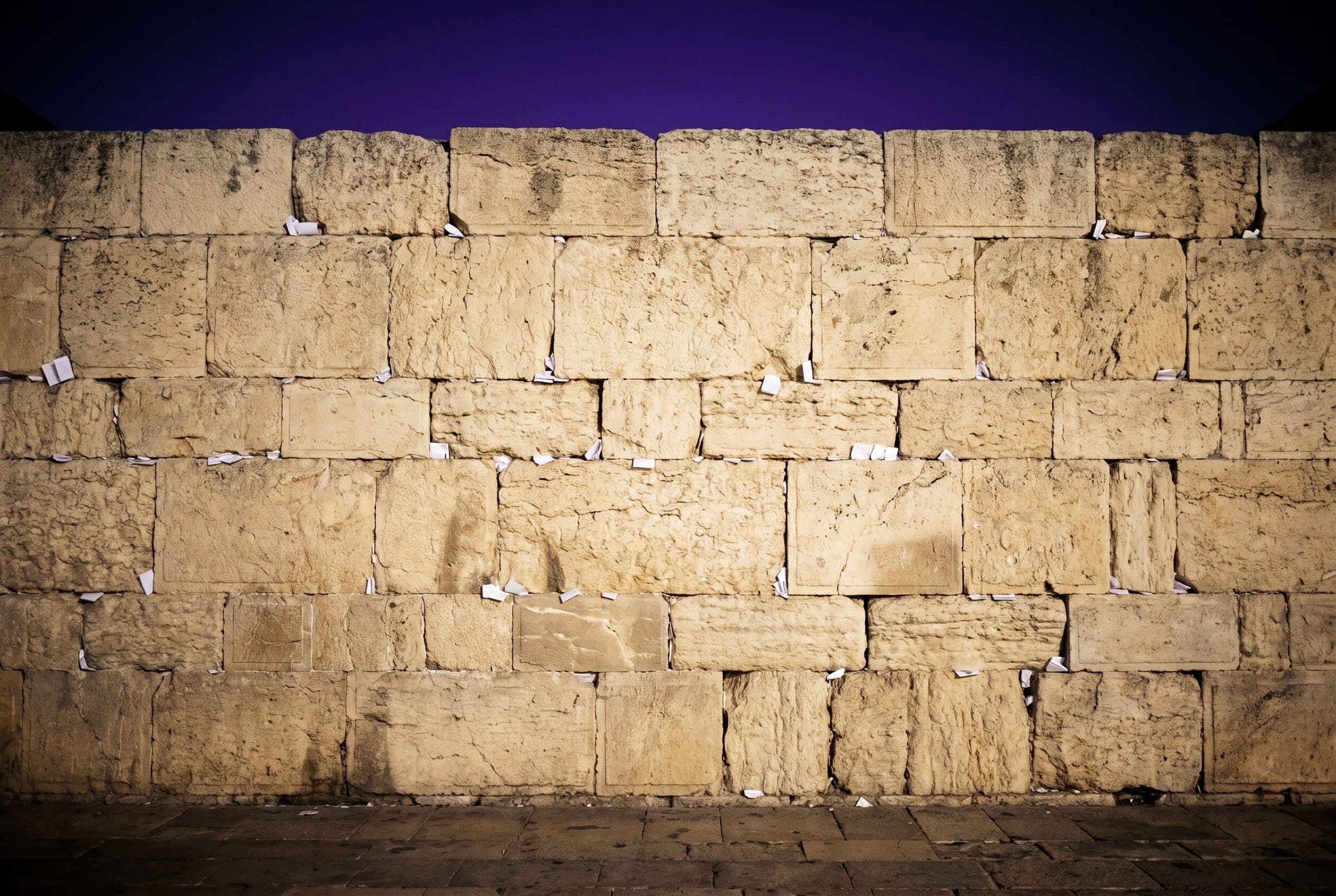
וְעָשׂוּ לִי מִקְדָּשׁ וְשָׁכַנְתִּי בְּתוֹכָםويصنعون لي مقدسًا فأسكن في وسطهم.
«في وسطهم» لا «فيه». البناء آليّة.
ويصنعون لي مقدسًا فأسكن في وسطهم.
«في وسطهم» لا «فيه». البناء آليّة.
مقدس مِعات
يسمّي التلمود الكنيس وبيت الدرس «مقدس مِعات»، أي مقدسًا صغيرًا — وتُطبَّق العبارة توسّعًا على البيت اليهوديّ، الذي تعامله المصادر موضعَ قداسةٍ بذاته لا مكانًا يُغادَر لبلوغ القداسة.
ويجدر الانتباه إلى اتّجاه التشبيه. فليس البيت مُطرًى بمقارنته بالمقدس. وبالنظر إلى «مسكن في الأسفل»، يكون المقدس هو النسخة العلنية لما يكونه البيت في الخفاء: الحالة العاديّة، والمقصد كلّه.