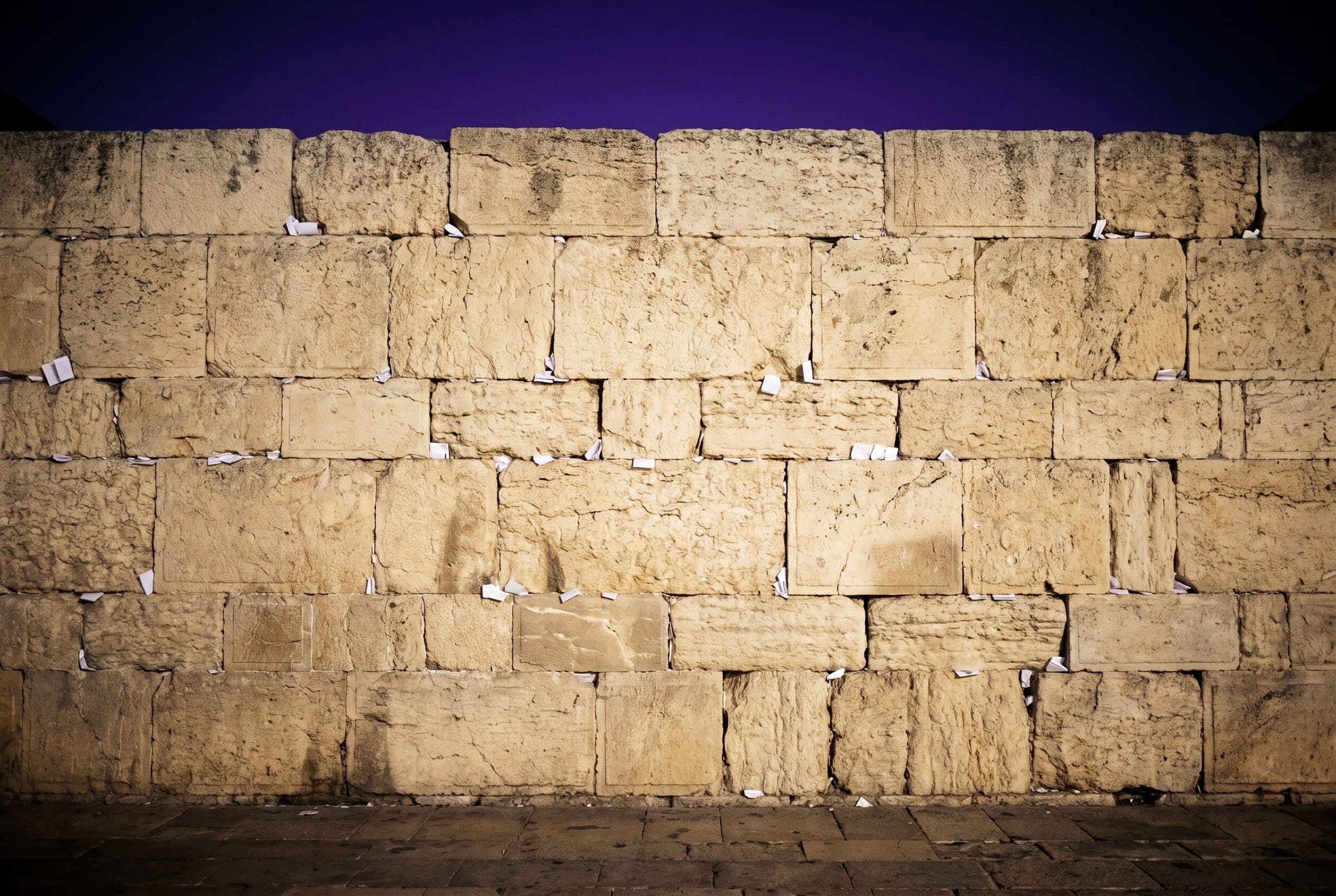
Kapitel 20Die Wohnung
Dira betachtonim
Das Ziel war nie, dass die Erde im Himmel verschwindet. Das Ziel war, dass die Erde eine Wohnung wird.
Der eine Satz, auf dem die Chabad-Chassidut alles aufbaut: Haschem begehrte eine Wohnung in den unteren Welten. Keine Flucht aus der Materie — ein Zuhause in ihr.
נִתְאַוָּה הַקָּדוֹשׁ בָּרוּךְ הוּא לִהְיוֹת לוֹ יִתְבָּרֵךְ דִּירָה בַּתַּחְתּוֹנִיםDer Heilige, gepriesen sei Er, begehrte eine Wohnung in den unteren Welten.
Begehrte — nicht benötigte. Das ganze Vorhaben gehört zum Willen, nicht zur Notwendigkeit.
Der Heilige, gepriesen sei Er, begehrte eine Wohnung in den unteren Welten.
Begehrte — nicht benötigte. Das ganze Vorhaben gehört zum Willen, nicht zur Notwendigkeit.
Der Alte Rebbe zitiert diese midraschische Formulierung im Tanja und baut ein System darauf. Man sollte sie langsam lesen, denn jedes Wort trägt, und das angesammelte Gewicht des Satzes ist gewaltig.
Begehrt
Nis’awe — begehrt. Nicht gebraucht, nicht entbehrt, nicht erfordert. Das Wort weist das ganze Vorhaben der Kategorie des Willens zu und nicht der Notwendigkeit. Es fehlte nichts. Dieser Punkt kehrt im Kapitel über Taanug wieder, und er ist es, der den ganzen Bau davor bewahrt, zur Geschichte eines mangelhaften G-ttes zu werden, der ein Problem löst.
Eine Wohnung
Dira — eine Wohnung, ein Wohnsitz, ein Zuhause. Kein Palast, kein Thronsaal, kein Tempel im Sinn eines Ortes, den man besucht. Eine Wohnung ist, wo jemand ist, wenn er nicht auftritt. Die Wortwahl bestimmt alles Folgende: das Ziel ist keine Zurschaustellung, und es ist kein Besuch.
Ein Palast
Zeigt Erhabenheit. Zum Gesehenwerden gebaut. Sein Bewohner ist ausgestellt.
Ein Zuhause
Enthüllt den, der darin lebt. Zum Bewohntwerden gebaut. Sein Bewohner ist er selbst.
In den unteren Welten
BeTachtonim — in den untersten. Nicht in den geistigen Welten, die ohnehin durchdrungen sind. Hier: Materie, Körper, Geld, Essen, Straßen. Und die chassidische Lesart drängt weiter — die unterste Welt meint eigens jene, in der nichts Höheres erkennbar ist, der Ort der vollständigsten Verhüllung. Dort ist die Wohnung gewollt.
וְעָשׂוּ לִי מִקְדָּשׁ וְשָׁכַנְתִּי בְּתוֹכָםSie sollen Mir ein Heiligtum machen, und Ich werde unter ihnen wohnen.
Unter ihnen, nicht in ihm. Der Bau ist ein Mechanismus.
Sie sollen Mir ein Heiligtum machen, und Ich werde unter ihnen wohnen.
Unter ihnen, nicht in ihm. Der Bau ist ein Mechanismus.
Macht Mir ein Heiligtum, und Ich werde unter ihnen wohnen — der Vers sagt unter ihnen, nicht in ihm. Das Bauwerk ist ein Mechanismus; das Wohnen geschieht in den Menschen und durch sie in der Welt, in der sie leben.
Die höchste Seele tritt in die unterste Welt ein, und die unterste Welt erweist sich als die Adresse.
Warum das ändert, wozu Moschiach da ist
Wäre das Ziel der Aufstieg, so wäre Moschiach eine Evakuierung — eine Gestalt, die Menschen aus einer schadhaften Welt in eine bessere führt. Jeder gnostische und asketische Instinkt der Religionsgeschichte hat die Erlösung so gelesen.
Mit Dira Betachtonim als Ziel ist er das Gegenteil: die Gestalt, die die Verwandlung der Welt in ein Zuhause vollendet. Er muss darum menschlich sein, muss physische Bauten errichten, muss eine Gesellschaft ordnen und muss sich um Landwirtschaft, Recht und Geld kümmern. Nicht trotz des geistigen Zwecks. Wegen seiner.