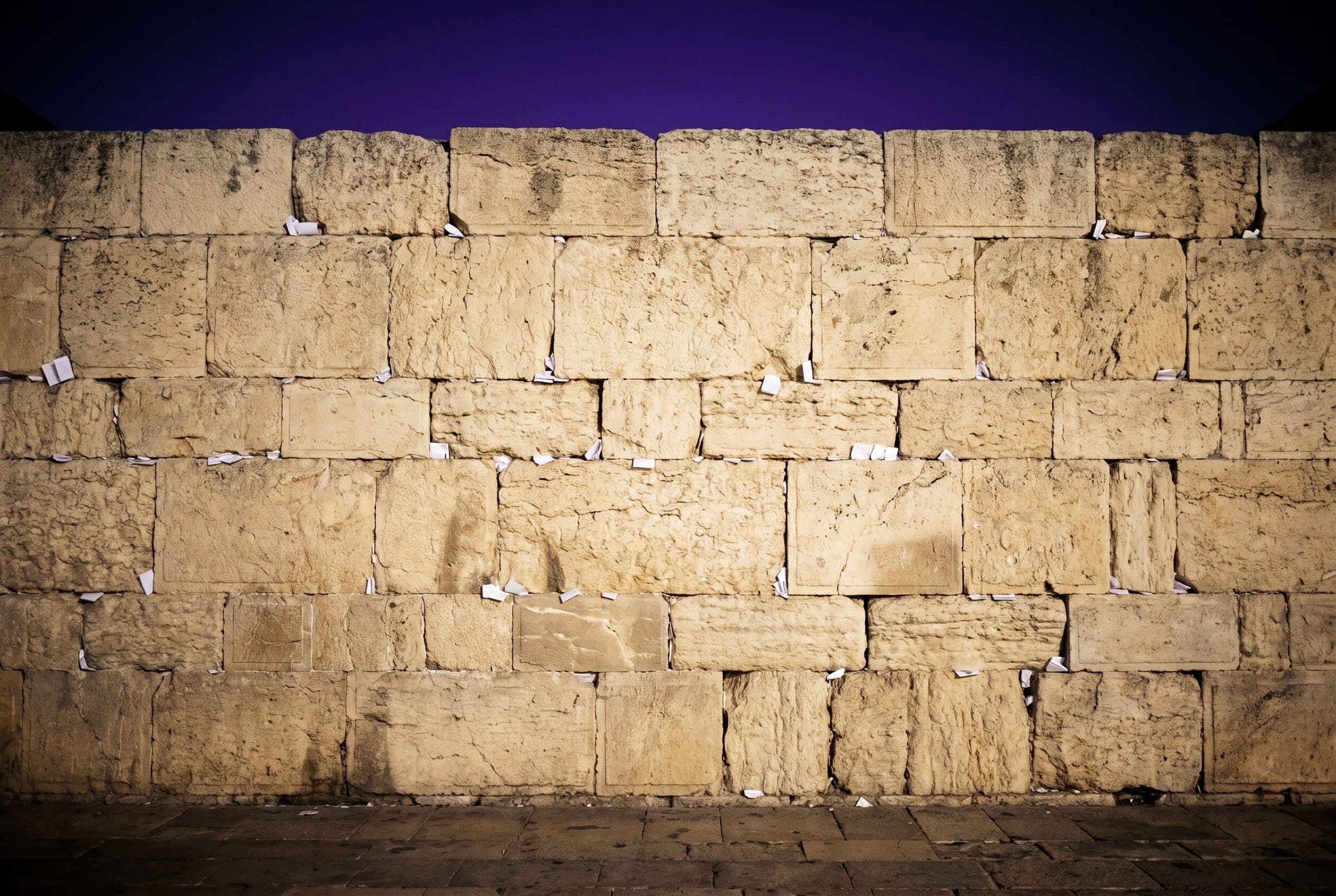
Kapitel 41Die Wohnung
Zuhause
Ein Palast zeigt Erhabenheit. Ein Zuhause zeigt den, der darin wohnt.
Der Unterschied zwischen einem Ort, gebaut um gesehen zu werden, und einem, gebaut um bewohnt zu werden — und warum die Tradition das zweite Wort wählte.
Die chassidische Formulierung hätte beliebig viele Wörter wählen können. Palast, Tempel, Thron, Heiligtum — jedes trägt Würde, und jedes stand zur Verfügung. Gewählt ist dira, eine Wohnung. Ein Zuhause. Wo jemand lebt.
נִתְאַוָּה הַקָּדוֹשׁ בָּרוּךְ הוּא לִהְיוֹת לוֹ יִתְבָּרֵךְ דִּירָה בַּתַּחְתּוֹנִיםDer Heilige, gepriesen sei Er, begehrte eine Wohnung in den unteren Welten.
Begehrte — nicht benötigte. Das ganze Vorhaben gehört zum Willen, nicht zur Notwendigkeit.
Der Heilige, gepriesen sei Er, begehrte eine Wohnung in den unteren Welten.
Begehrte — nicht benötigte. Das ganze Vorhaben gehört zum Willen, nicht zur Notwendigkeit.
Was ein Zuhause ist
Ein Palast ist um das Gesehenwerden herum gebaut. Seine Größe, seine Blickachsen und seine Zeremonien sind alle dazu da, jemandem etwas mitzuteilen, der nicht der Bewohner ist. Der Bewohner eines Palastes ist in einem wichtigen Sinn immer im Dienst.
Ein Zuhause ist um das Sein herum gebaut. Es gibt kein Publikum. Seine Räume sind von dem geformt, was in ihnen wirklich geschieht, und nicht von dem, was sie vermitteln. Und was ein Zuhause eigens enthüllt, ist nicht die Größe des Bewohners, sondern der Bewohner — der Unterschied zwischen dem Wissen, wozu jemand fähig ist, und dem Wissen, wie er ist.
In einem Palast erfährt man, was er kann. In einem Zuhause erfährt man, wer er ist.
Wo jemand ungeschützt ist
Das ist das Kühnste im ganzen chassidischen Vokabular, und man sollte dabei verweilen statt darüber hinwegzugehen. Der Zweck der Schöpfung ist in dieser Formulierung nicht, dass Haschem verherrlicht werde — Herrlichkeit ist auch ohne Welt zu haben. Er ist, dass es einen Ort gebe, an dem Er zu Hause ist.
Jedes Wort davon will sorgfältig behandelt sein; nichts darin besagt einen Mangel, und das vorige Kapitel ist die Sicherung gegen eine solche Lesart. Aber die Wortwahl steht, und die Tradition hat sie mit Absicht getroffen.
וְעָשׂוּ לִי מִקְדָּשׁ וְשָׁכַנְתִּי בְּתוֹכָםSie sollen Mir ein Heiligtum machen, und Ich werde unter ihnen wohnen.
Unter ihnen, nicht in ihm. Der Bau ist ein Mechanismus.
Sie sollen Mir ein Heiligtum machen, und Ich werde unter ihnen wohnen.
Unter ihnen, nicht in ihm. Der Bau ist ein Mechanismus.
Mikdasch me’at
Der Talmud nennt Synagoge und Lehrhaus ein Mikdasch me’at, ein kleines Heiligtum — und die Wendung wird im weiteren Sinn auf das jüdische Zuhause angewandt, das die Quellen als eigenständigen Ort der Heiligkeit behandeln und nicht als einen Ort, den man verlässt, um zur Heiligkeit zu gelangen.
Die Richtung des Vergleichs verdient Beachtung. Dem Zuhause wird nicht geschmeichelt, indem man es mit dem Mikdasch vergleicht. Angesichts von Dira Betachtonim ist der Mikdasch die öffentliche Ausführung dessen, was das Zuhause im Privaten ist: der gewöhnliche Fall, und die ganze Sache.