第 26住まい
ベイト・ハミクダシュ
信念は抽象のままでいられる。聖所は、聖なるものに建築となることを強いる。
なぜ贖いが建物を要するのか。座標、素材、寸法——そして無限者が、そこに閉じ込められることなく場所を選ぶとはどういうことか。
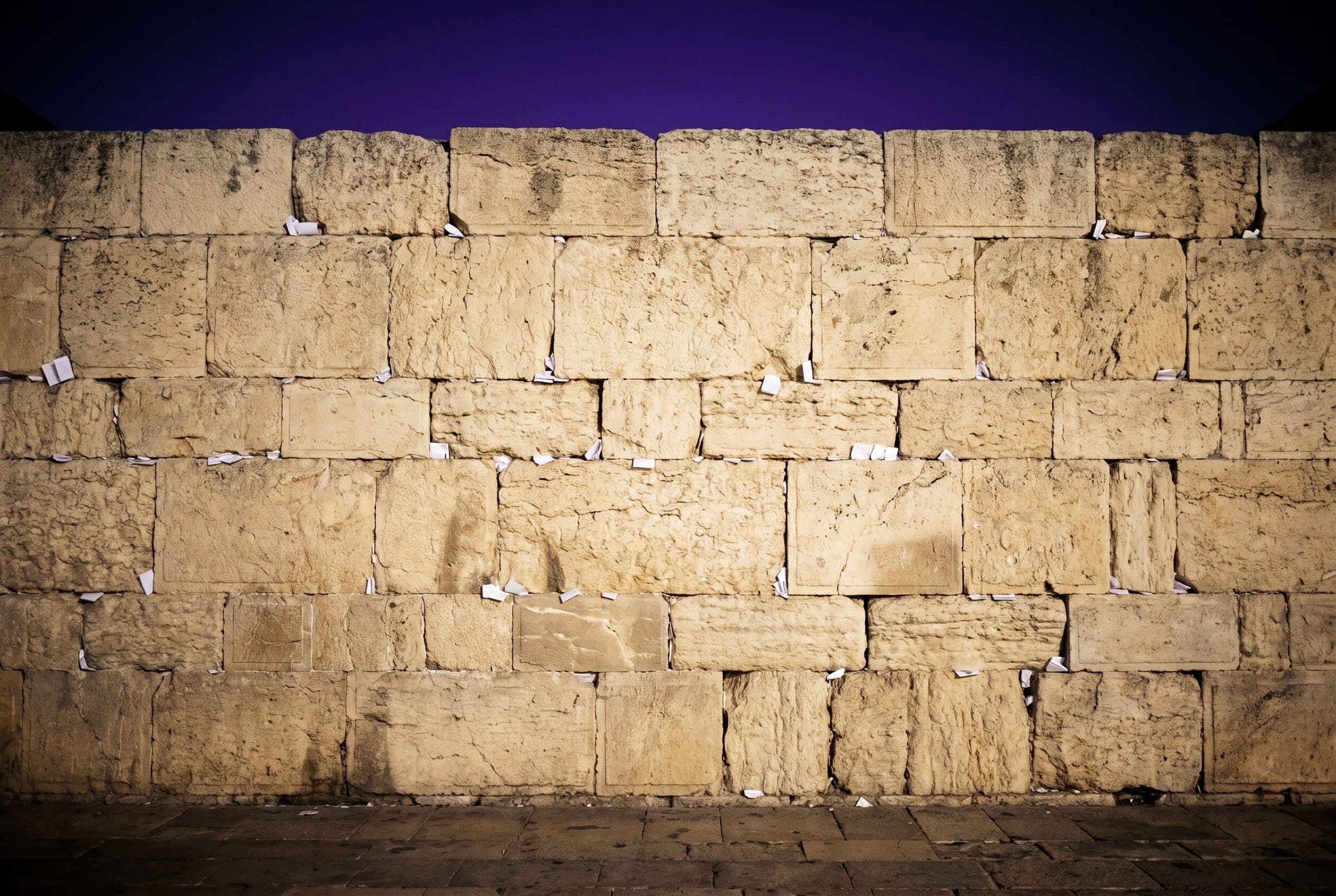
ランバムの諸基準のうち、霊的に読み替えうるものが幾つかあるなかで、一つだけが頑として物理的なままである。彼はミクダシュをその場所に建てる。霊的な神殿でもなければ、民の心のうちの神殿でもない——ある敷地の上に、寸法をもって建つ、建物である。
וְעָשׂוּ לִי מִקְדָּשׁ וְשָׁכַנְתִּי בְּתוֹכָם彼らはわたしのために聖所を造れ。わたしは彼らのただ中に住む。
「その中に」ではなく「彼らのただ中に」。建物は仕掛けである。
彼らはわたしのために聖所を造れ。わたしは彼らのただ中に住む。
「その中に」ではなく「彼らのただ中に」。建物は仕掛けである。
この建物が解決する問題
信念を抱くのに費用はかからず、何の帰結もないまま無期限に抱き続けることができる。建物はそうはいかない。敷地を要し、それは場所についての決定を意味する。資材を要し、それは経済を意味する。寸法を要し、それは法を意味する。人員を要し、それは制度を意味する。そして維持を要し、それは社会の注意に対する恒常的な要求を意味する。
そのどれもが、観念が現実に対して責任を負わされる地点である。これは聖なるものの制限ではない——聖なるものが気分であることをやめる、その仕組みである。
建築とは、測られることに同意した神学である。
包み込まれることのない所在
הַשָּׁמַיִם כִּסְאִי וְהָאָרֶץ הֲדֹם רַגְלָי天はわたしの座、地はわたしの足台。あなたがたがわたしのために建てる家はどこにあるのか。
ミクダシュの否定ではなく、その建物が担うべき逆説の定式化である。
天はわたしの座、地はわたしの足台。あなたがたがわたしのために建てる家はどこにあるのか。
ミクダシュの否定ではなく、その建物が担うべき逆説の定式化である。
天はわが王座、地はわが足台——あなたがたがわたしのために建てる家とは、どこにあるのか。この節はミクダシュの否認ではない。それはミクダシュを前提とする預言書のうちに現れる。これは、この建物が担うべく設計された逆説の表明である。
ハシェムはミクダシュに容れられてはいない。何ものも彼を容れない。それでもなお、彼は座標を選ぶ。ハシドゥートの読みはこれをディラー・ベタハトニムに直結させる。場所を選ぶことは無限に課された制限ではない。目的が示威ではなく家であるとき、無限がすることが、それなのである。
なぜモシアハは奮い立たせるのではなく建てねばならないのか
奮い立たせることは可逆であり、建てることは不可逆だからである。一つの世代は動かされ、そしてまた冷めうる。しかし敷地の上に立ち、務めが機能している構造物は、次の世代が何一つ同意していないままに、彼らが受け継ぐものを変えてしまう。
これはまた、ランバムが意図した意味でこの基準が反証可能である理由でもある。建物が存在するかどうかについて、人は誤りようがない。