פרק 41די דירה
א היים
א פאלאץ ווײַזט גדולה. א היים ווײַזט ווער עס וואוינט דארט.
דער חילוק צווישן א ארט געבויט מען זאל עס זען און א ארט געבויט מען זאל דארט וואוינען — און פארוואס די מסורה האט אויסגעקליבן דאס צווייטע ווארט.
דער חסידות'דיגער לשון וואלט געקענט נעמען אסאך ווערטער. א פאלאץ, א היכל, א כסא, א מקדש — יעדעס האט א כבוד און יעדעס איז געווען דא. דאס ווארט וואס איז גענומען געווארן איז דירה. א וואוינונג. וואו א מענטש וואוינט.
נִתְאַוָּה הַקָּדוֹשׁ בָּרוּךְ הוּא לִהְיוֹת לוֹ יִתְבָּרֵךְ דִּירָה בַּתַּחְתּוֹנִיםנתאווה הקדוש ברוך הוא להיות לו יתברך דירה בתחתונים.
נתאווה — נישט געדארפט. דער גאנצער ענין געהערט צום רצון און נישט צום מוז.
נתאווה הקדוש ברוך הוא להיות לו יתברך דירה בתחתונים.
נתאווה — נישט געדארפט. דער גאנצער ענין געהערט צום רצון און נישט צום מוז.
וואס איז א היים
א פאלאץ איז אײַנגעאָרדנט ארום דעם געזען ווערן. זײַן גרייס, זײַנע ליניעס און זײַנע צערעמאניעס זענען אלע דא כדי איבערצוגעבן עפעס צו עמעצן וואס איז נישט דער וואס וואוינט אין אים. דער וואס וואוינט אין א פאלאץ איז, אין א וויכטיגן זין, תמיד אויף דער ארבעט.
א היים איז אײַנגעאָרדנט ארום דעם זײַן. עס איז נישטא קיין עולם. אירע צימערן ווערן געפורעמט לויט וואס טוט זיך אין זיי טאקע און נישט לויט וואס זיי דערציילן. און די ספעציעלע זאך וואס א היים אנטפלעקט איז נישט די גרויסקייט פונעם וואס וואוינט אין איר, נאר ער אליין — דער אונטערשייד צווישן וויסן וואס עמעצער קען טאן און וויסן ווער ער איז.
אין א פאלאץ לערנסטו וואס ער קען טאן. אין א היים לערנסטו ווער ער איז.
וואו א מענטש היט זיך נישט
דאס איז די דרייסטסטע זאך אין דעם גאנצן חסידות'דיגן לשון, און עס איז כדאי זיך אפצושטעלן דערויף און נישט אריבערגיין. די תכלית פון דער בריאה, אין דעם נוסח, איז נישט אז דער אויבערשטער זאל פארהערליכט ווערן — א פאר'הערליכונג איז דא אויך אן א וועלט. זי איז אז עס זאל זײַן א ארט וואו ער איז אין דער היים.
יעדעס ווארט דערפון מוז מען נעמען פארזיכטיג; גארנישט דערפון מיינט אז עפעס פעלט, און דער פאריגער פרק איז די היטונג קעגן אזא לייען. אבער די ברירה פונעם ווארט שטייט, און די מסורה האט זי געטאן בכוונה.
וְעָשׂוּ לִי מִקְדָּשׁ וְשָׁכַנְתִּי בְּתוֹכָםאון זיי זאלן מיר מאכן א מקדש, און איך וועל רוען צווישן זיי.
צווישן זיי, נישט אין אים. דער בנין איז א מיטל.
און זיי זאלן מיר מאכן א מקדש, און איך וועל רוען צווישן זיי.
צווישן זיי, נישט אין אים. דער בנין איז א מיטל.
מקדש מעט
די גמרא רופט די שול און דעם בית המדרש א מקדש מעט — און דער לשון ווערט דערפון אויך אנגעווענדט אויף דער אידישער היים, וואס די מקורות זעען אין איר אן ארט פון קדושה פאר זיך און נישט אן ארט וואס מען פארלאזט אים כדי צו דערגרייכן קדושה.
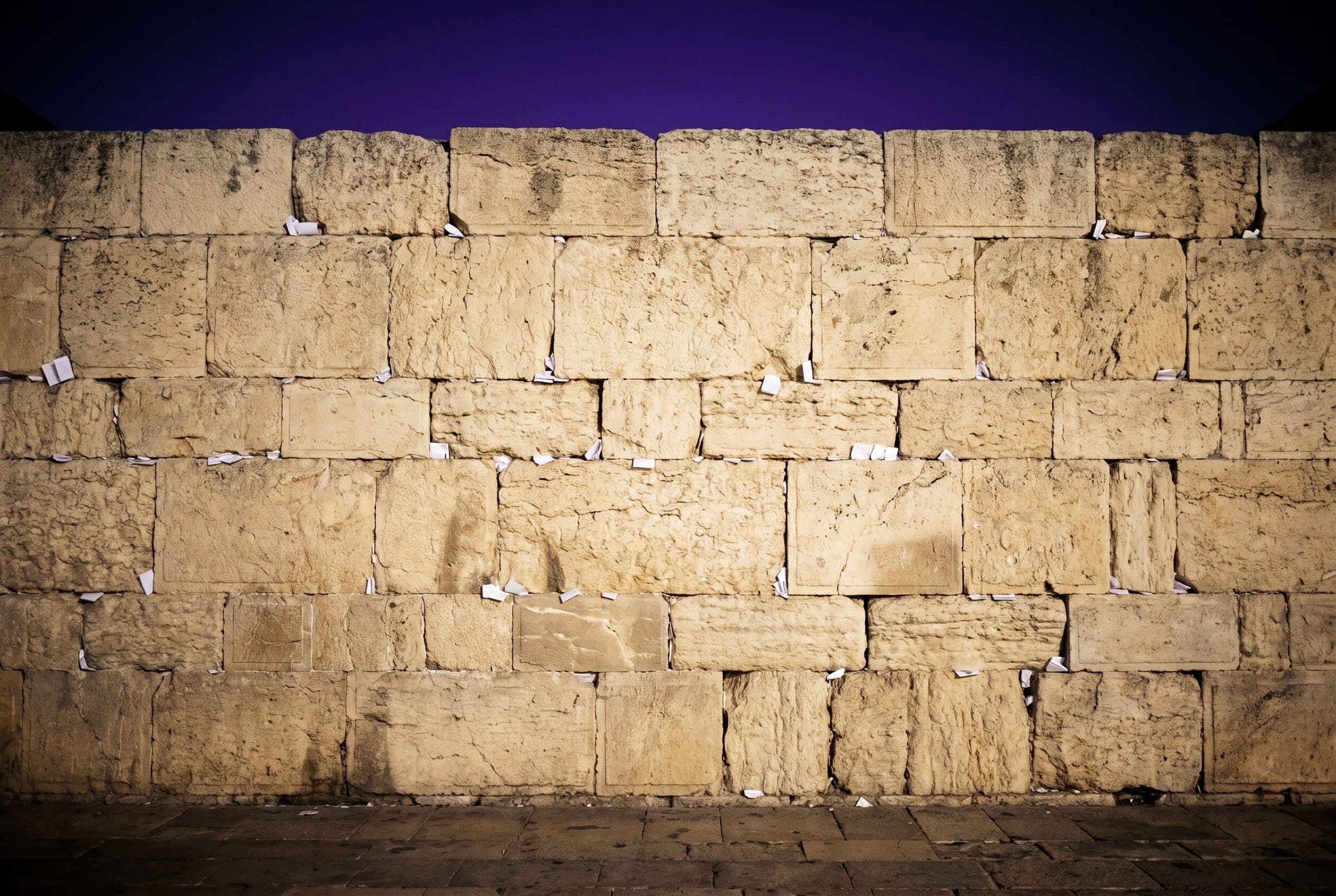
עס איז כדאי צו מערקן די ריכטונג פונעם משל. מען מאכט נישט קיין קאמפלימענט דער היים מיטן פארגלײַכן זי צום מקדש. לויט דירה בתחתונים איז דער מקדש דער עפנטליכער פאל פון וואס די היים איז ביחידות: דער געוויינליכער פאל, און דער גאנצער עיקר.