פרק 06די נשמה
יחידה
נישט דער פינפטער שטאָק פון דער נשמה. די נקודה וואו די נשמה האט נישט קיין שטאָקן.
נפש, רוח, נשמה, חיה, יחידה. די ערשטע פיר זענען מדריגות. די פינפטע איז נישט קיין מדריגה — זי איז די נקודה פון וועלכער די אנדערע זענען שוין א התחלקות.
די קבלה רופט פינף נעמען פאר דער נשמה, און כמעט יעדער בילד פון זיי פירט אין דער אירע. ווען מען צייכנט זיי ווי א שטאפל אויף א שטאפל, מיינט מען אז עס זענען דא פינף זאכן וואס גייען אויף אין מעלה, און יחידה איז אויבן ווי די בעסטע. דאס איז נישט וואס די מקורות באשרייבן, און דער טעות איז וויכטיג, ווײַל דער גאנצער חסידות'דיגער דין וחשבון וועגן משיח הענגט אין ריכטיג פארשטיין דעם פינפטן נאמען.
די ערשטע פיר
נפש איז די נשמה ווי זי באלעבט. דאס איז די מדריגה וואו א מענטש איז לעבעדיג, פארהאן אין א גוף, טוענדיג. רוח איז די נשמה ווי זי פילט — דאס געפילישע לעבן, דאס רעאגירן, דאס ציען צו און אוועק. נשמה איז די נשמה ווי זי פארשטייט; דאס איז דער מהלך פון השגה, פון כאפן א זאך און ווערן געענדערט דורכן כאפן. חיה איז די נשמה ווי זי וויל און מיינט פארן ארויסזאגן — די ריכטונג צו וועלכער א מענטש איז געווענדט פאר וועלכן ניט איז באזונדערן געדאנק, און דערפאר איז איר ענין חכמה און דער בליץ, נישט דער זאץ.
די פיר זענען טאקע מדריגות. יעדע איז ברייטער פון דער אונטערשטער, יעדע נעמט זי אריין, און יעדע קען מען באשרייבן ווי א כח. מען קען זאגן וואס נפש טוט. מען קען זאגן וואס נשמה טוט.
און דערנאך די פינפטע
יחידה קען מען אזוי נישט באשרייבן, ווײַל זי איז נישט קיין כח. זי האט נישט קיין אייגענעם אינהאלט. זי איז דער בונד פון דער נשמה מיטן אויבערשטן ווי ער איז איידער די נשמה האט זיך בכלל צעטיילט אין כוחות — די איין נקודה וואס נפש, רוח, נשמה און חיה זענען שוין אירע גילויים.
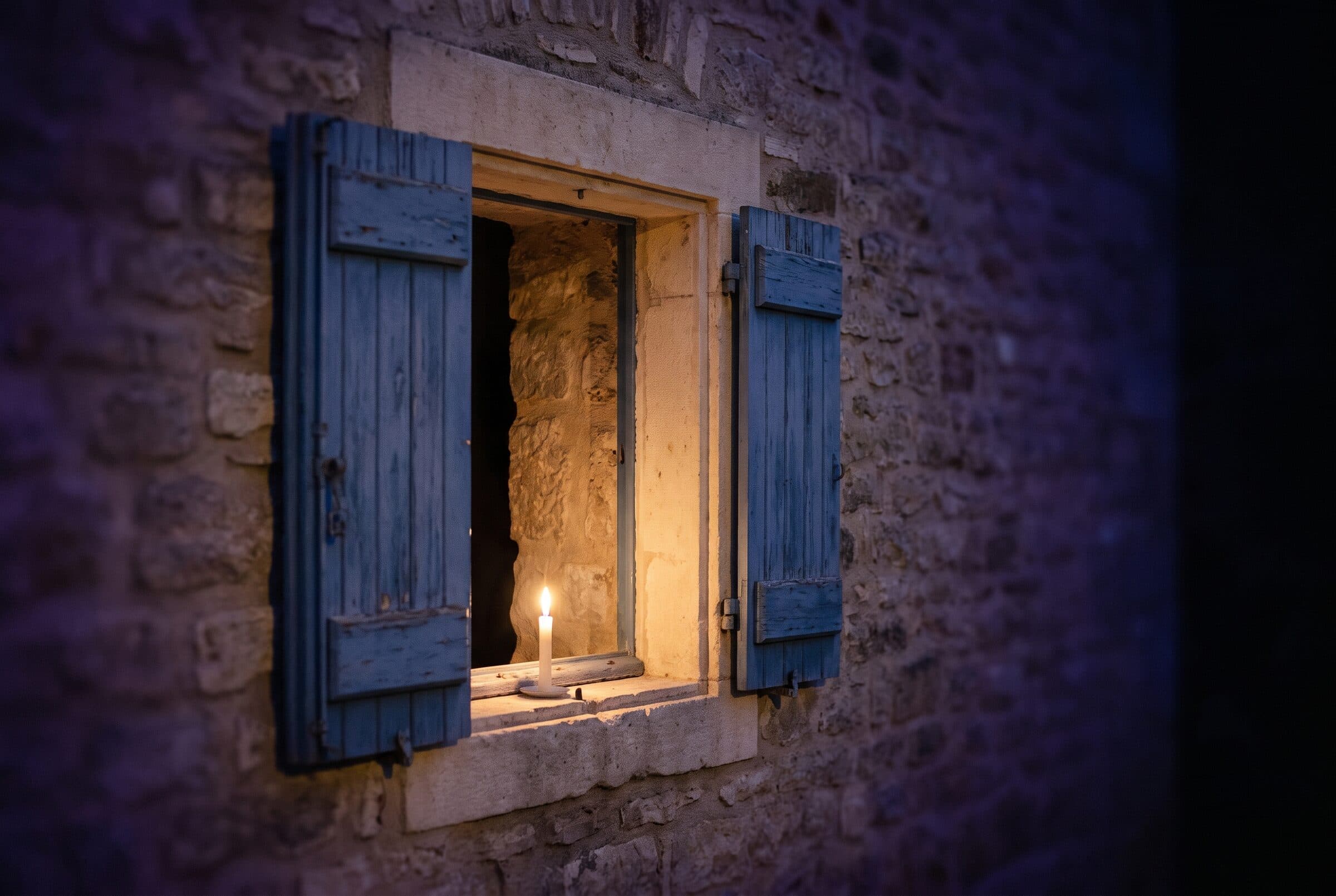
נֵר ה׳ נִשְׁמַת אָדָםדי נשמה פונעם מענטש איז א ליכט פון השם.
א ליכט איז נישט קיין חלק פון דער פלאם. זי איז דאס וואו די פלאם געפינט זיך.
די נשמה פונעם מענטש איז א ליכט פון השם.
א ליכט איז נישט קיין חלק פון דער פלאם. זי איז דאס וואו די פלאם געפינט זיך.
דאס ווארט אליין זאגט עס: יחידה, פון אחד — איינציג, נישט צעטיילבאר, די איינע. דאס איז נישט די העכסטע זאך וואס א מענטש פארמאגט. דאס איז די אמת'ע זאך אז דער מענטש איז איין זאך און נישט קיין אסיפה.
ביי יחידה הערט דער איבערגאנג אויף צו זײַן א שיכט און ווערט א מקור.
פארוואס דאס נוגע משיח
חסידות באשרייבט משיח ווי די יחידה הכללית פון כלל ישראל — און איצט קען מען לייענען דעם לשון ריכטיג. עס מיינט נישט אז ער האט מער רוחניות'דיגע איבערלעבונגען פון אנדערע, אדער א שטארקערע געפילישע באציאונג צום אויבערשטן, אדער א צוטריט צו העכערע מראות. אלע די וואלטן געווען אויסזאגן וועגן כוחות, און יחידה איז נישט קיין כח.
עס מיינט אז ביי אים איז די נקודה פון וועלכער אלץ אנדערש אין א מענטש טיילט זיך אפ נישט פארשטעלט. זײַנע כוחות קריגן זיך נישט מיט זײַן בונד; זיי זענען זעעוודיג זײַנע גילויים. דערפאר לייענט זיך זײַן גרויסקייט ווי דורכזיכטיגקייט און נישט ווי א היץ, און דערפאר באשרייבן די מקורות דעם רעזולטאט ווי ביטול און נישט ווי התפעלות.
און דאס דערקלערט א זאך וואס וואלט אנדערש געווען א קשיא: פארוואס רעדט מען וועגן יחידה סײַ ווי דער דערהויבנסטער נאמען אין דער נשמה, סײַ ווי א זאך וואס יעדער איד פארמאגט אין גאנצן. א מדריגה קען זײַן העכער אדער נידעריגער ביי פארשידענע מענטשן. א מקור קען נישט זײַן האלב פארהאן. אדער ביסטו איין מענטש אדער נישט.
נפש, רוח, נשמה און חיה זענען כוחות, און מען קען זיי אזוי באשרייבן. יחידה האט נישט קיין אייגענעם אינהאלט; זי איז דער בונד פון דער נשמה מיט השם ווי ער איז פאר דער צעטיילונג אין כוחות. דערפאר קען מען רעדן וועגן איר ווי די העכסטע מדריגה און ווי גאנץ פארהאן ביי יעדן איד.